Your first decision is not which gear to pack, but whether conditions support a safe, legal and respectful hunt. A familiar route, open season and ready equipment may not be enough if wind, wet ground or changing access rules alter the plan. Reading those details first helps you carry less, move wisely and avoid turning a marginal outing into a poor decision.
Start with the conditions you cannot control
Translate the forecast into decisions. Wind affects scent management and how quietly you can approach or leave. Rain changes footing, visibility and road conditions. Cold reduces battery life, shapes clothing choices and limits how long you can remain stationary safely. Warm weather increases meat-care priorities and shortens the margin for error after a harvest.
Do not ask only, "Will it rain?" Ask what rain will do to the ground, vegetation, visibility and return route. A dry trail at home may be slick, flooded or difficult to cross several miles away. Check the forecast close to departure, then make a conservative plan for conditions worse than predicted.
Let the land shape the equipment list
The same hunt can require different equipment depending on terrain and access. A short walk over maintained ground calls for a different load than a long approach through steep, wet or brushy country. Extra equipment adds weight, noise and bulk and creates more opportunities to lose or forget something.
Use the land to set priorities. On uneven ground, reliable footwear and water management may matter more than another accessory. For long periods of stillness, prioritize insulation, rain protection and a comfortable way to carry essentials. If you may return after dark, bring dependable illumination, spare power and a route you can follow without rushing.
Every item should solve a clear problem. Before packing it, finish the sentence, "I need this because." If the reason is only that it might be useful, place it in a secondary group rather than letting it dominate the load.
Build the plan around a real access route
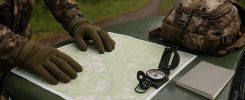
A map can hide important decisions. Identify the legal entry point, parking restrictions, boundaries, water crossings, steep sections and places where a quiet exit would be difficult. Mark a primary route and a less ambitious alternative. Tell a trusted person where you intend to be and when you will check in, following your normal safety practice.
Ethical hunting begins here. A good position is not good if reaching it requires crossing closed land, disturbing another hunter or creating avoidable pressure on animals. Respect posted boundaries, landowner permissions and seasonal closures. If access depends on a gate, road or trail, confirm its current status rather than relying on an old map or memory.
Check the rules before the routine takes over
Familiarity can create legal risk. A location that was open last season may now have different dates, weapon restrictions, tag requirements, access conditions or reporting obligations. Rules can vary by jurisdiction, species, public-land unit and method of take.
Use current official guidance for the area, and check it again when plans change. Confirm the season, permitted equipment, licenses or tags, legal hunting hours, transport rules and special restrictions. An old document, forum comment or advice from a previous trip is not final authority.
Keep required documents accessible and know how you will handle a harvest before leaving home. Legal preparation is part of deciding whether the outing is workable, not paperwork added at the end.
Set an ethical threshold before you leave
Decide when you will stop, turn back or pass on an opportunity before weather, fatigue or excitement narrows your judgment. Examples include losing a safe route, being unable to identify the target and background clearly, lacking a reliable way to recover game, or facing conditions that make proper meat care unlikely.
A legal opportunity is not automatically a responsible one. Know your effective range and personal limits, and do not let a difficult recovery become someone else's problem. Passing is part of good fieldcraft, not a failed hunt.
Follow harvest limits, reporting requirements and land-use rules. Avoid unnecessary disturbance in sensitive habitat, stay on durable routes, control camps and waste, and leave gates and natural features as required. These habits help protect the places that support future hunting.
Use one final readiness check
Before loading the vehicle, connect conditions to action:
– Weather: What will change, and what clothing or shelter addresses it?
– Terrain: What is the hardest section, and can you return safely?
– Access: Are boundaries, permissions, closures and parking rules confirmed?
– Law: Are the current season, tags, equipment rules and reporting duties understood?
– Recovery: Can you handle a harvest legally, safely and without preventable delay?
– Communication: Does someone know the plan, timing and fallback route?
– Limits: What specific condition will make you stop or change course?
The check should take minutes. Its purpose is to catch mismatches while they are still easy to fix.
Adjust the plan, not just the pack
If the forecast calls for stronger wind and steady rain, the best response may not be adding gear. Choose a shorter route, safer terrain or different timing-or wait. That is reading hunting conditions in practice: using information to reduce risk and pressure before entering the field.
A thoughtful hunting setup is not the one with the most gear, but a small, dependable kit matched to the land, weather, rules and your abilities. Prepare for the animal, the walk in and out, and the responsibilities surrounding the hunt. This approach supports better decisions while helping keep access, habitat and public trust intact.